

Tylenol #1 #2 #3 Difference Prescription Needed: Complete Canadian Guide

Tylenol 1 2 3 Difference Prescription Needed: Complete Canadian Guide
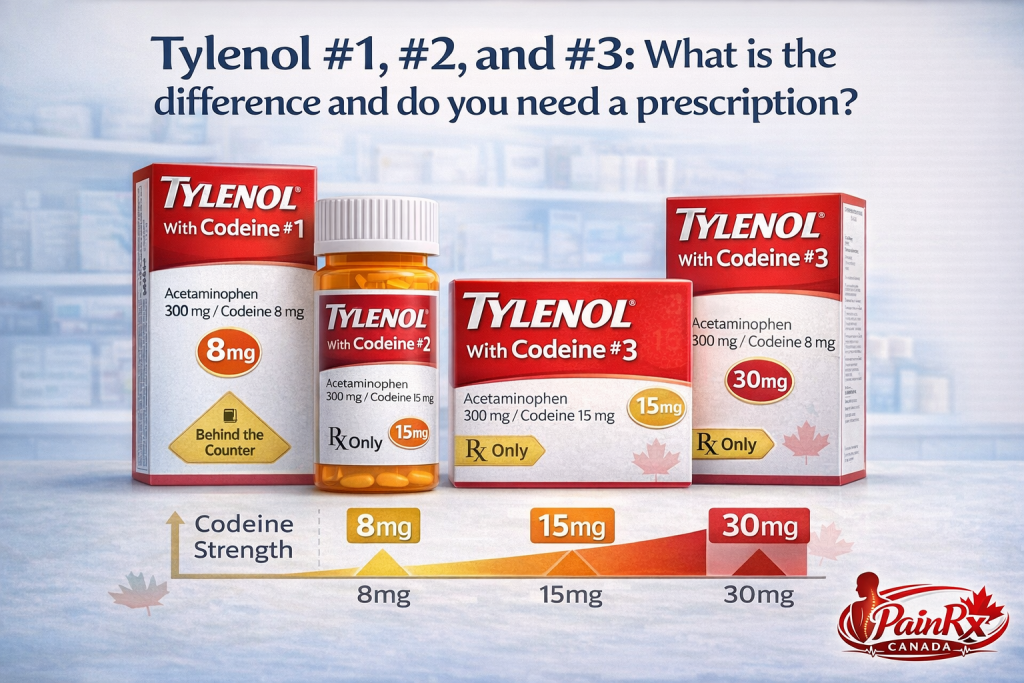
If you have ever lived in Canada, you have likely heard of Tylenol with codeine. Perhaps a dentist prescribed it after a wisdom tooth extraction. Maybe a doctor recommended it for a bad back. The products Tylenol #1, #2, and #3 are uniquely Canadian staples of pain management. Yet many people remain confused about what these numbers mean. They wonder about the difference between them. Most importantly, they ask tylenol 1 2 3 difference prescription needed questions constantly. This guide provides clear answers about these familiar but often misunderstood medications.
A Canadian Institution
Tylenol with codeine products hold a special place in Canadian medicine. For decades, they have served as a bridge between over-the-counter pain relievers and stronger prescription opioids. They combine acetaminophen (Tylenol) with codeine, a mild opioid. This combination provides more pain relief than either ingredient alone.
The numbering system is simple but often misunderstood. Higher numbers contain more codeine. However, the acetaminophen amount stays the same across all three. This consistency matters for safety. Understanding the numbers is the first step in answering tylenol 1 2 3 difference prescription needed.
For more information about how pain medications work in the body, you can read our guide on how to read a prescription label in Canada. Understanding your prescription starts with knowing what each part means.
Tylenol #1: The Mildest Option
Tylenol #1 contains 8 mg of codeine along with 300 mg of acetaminophen. This is the lowest codeine strength available in the Tylenol line. It is designed for mild to moderate pain that does not respond to regular Tylenol or ibuprofen alone.
The 8 mg dose of codeine is relatively small. For comparison, a typical prescription codeine pill might contain 30 mg or more. Tylenol #1 provides a gentle introduction to opioid pain relief. It is often used for dental pain, headaches, and minor injuries.
Prescription Status of Tylenol #1
Importantly, Tylenol #1 occupies a unique regulatory space in Canada. It is available without a prescription in most provinces. However, it is not sitting on the shelf with regular Tylenol. You must ask the pharmacist for it. This “behind the counter” status makes it distinct from #2 and #3. This distinction is central to tylenol 1 2 3 difference prescription needed.
According to Health Canada’s drug product database, all codeine-containing products are monitored for safety. You can verify any medication’s approval status through this official source.
Tylenol #2: The Middle Ground
Tylenol #2 contains 15 mg of codeine with the same 300 mg of acetaminophen. This represents nearly double the codeine content of #1. It is intended for moderate pain that requires stronger relief than #1 can provide.
The 15 mg dose is significant. It provides noticeably more pain relief but also carries higher risks of side effects. Drowsiness, dizziness, and constipation become more likely at this dose.
Why Tylenol #2 Requires a Prescription
Tylenol #2 requires a prescription in Canada. You cannot obtain it by simply asking the pharmacist. A doctor must evaluate your condition and determine that this strength is appropriate. This prescription requirement is a key part of tylenol 1 2 3 difference prescription needed.
If you are prescribed Tylenol #2, you might also want to read our comparison of methocarbamol vs cyclobenzaprine for back spasms. Different pain types may require different treatment approaches.
Tylenol #3: The Strongest Option
Tylenol #3 contains 30 mg of codeine with the standard 300 mg of acetaminophen. This is the highest codeine strength in the Tylenol line. It is reserved for moderate to moderately severe pain that requires significant opioid relief.
The 30 mg dose is a standard prescription codeine strength. It provides substantial pain relief but also carries the highest risk of side effects and dependence. Patients taking Tylenol #3 should be monitored carefully.
Prescription Requirements for Tylenol #3
Like #2, Tylenol #3 requires a prescription. It is not available behind the counter. This prescription requirement reflects its higher potency and greater risks. Understanding this hierarchy is essential for tylenol 1 2 3 difference prescription needed.
The Canadian Pharmacists Association provides resources about medication safety. Their website offers valuable information about prescription requirements across different provinces.
The Acetaminophen Constant Across All Strengths
An important safety feature across all three products is the consistent acetaminophen content. Each tablet contains 300 mg of acetaminophen. This allows for predictable dosing.
If you take two tablets of any strength, you consume 600 mg of acetaminophen. The maximum daily acetaminophen dose for adults is generally 3000 to 4000 mg. This means you must count all sources of acetaminophen. Many cold and flu products also contain it. Accidental overdose is a real risk.
The consistent acetaminophen content helps, but you must still track your total intake. This safety consideration applies regardless of which number you take. It is part of understanding tylenol 1 2 3 difference prescription needed.
For more on medication safety, read our guide on how to dispose of old or expired pain medication safely. Proper disposal prevents accidents and protects the environment.
Codeine Metabolism: The Genetic Factor
An important medical fact applies to all codeine products. Codeine is a prodrug. This means it must be converted by your liver into morphine to work. The enzyme responsible is called CYP2D6.
Some people are “poor metabolizers.” Their livers cannot convert codeine effectively. For these individuals, Tylenol #1, #2, or #3 may provide little to no pain relief. They might as well be taking plain Tylenol.
Other people are “ultrarapid metabolizers.” Their livers convert codeine too quickly and efficiently. A standard dose can flood their system with dangerous levels of morphine. This can cause life-threatening respiratory depression.
How Genetics Affect Your Response
This genetic variability means response to codeine is unpredictable. It affects all three strengths equally. This factor adds complexity to tylenol 1 2 3 difference prescription needed.
According to Health Canada’s opioid prescribing guidelines, healthcare providers should consider individual patient factors when prescribing any opioid medication.
Behind the Counter vs. Prescription Only
The distinction between Tylenol #1 and the higher strengths is regulatory, not just chemical. Tylenol #1 is a “behind the counter” medication in most provinces. This means:
- You do not need a prescription from a doctor.
- You must ask the pharmacist directly.
- The pharmacist may ask questions about your pain, medical history, and other medications.
- The pharmacist may refuse to sell it if they have safety concerns.
- There are limits on how much you can buy at once.
Tylenol #2 and #3 require a full prescription. You must see a doctor, obtain a written or electronic prescription, and have it filled by a pharmacist. There is no pharmacist discretion to dispense without a prescription.
This difference is fundamental to tylenol 1 2 3 difference prescription needed.
Provincial Variations Across Canada
Canada’s provinces have some variation in how they handle Tylenol #1. In most provinces, the behind-the-counter model applies. However, specific rules may differ.
Some provinces have implemented stricter controls on all codeine products due to concerns about misuse and dependence. Others maintain more traditional access. Pharmacists stay updated on their province’s specific regulations.
If you travel between provinces, be aware that rules may differ. What is available without prescription in one province might require a prescription in another. This provincial variation adds another layer to tylenol 1 2 3 difference prescription needed.
The National Association of Pharmacy Regulatory Authorities provides information about provincial variations in medication access. Their website helps patients understand local requirements.
Why Access Differs by Strength
The different access levels reflect a balance between pain relief and safety. Codeine is an opioid. It carries risks of dependence, addiction, and overdose. Higher doses carry higher risks.
Tylenol #1’s 8 mg dose is considered low enough that pharmacist supervision provides adequate safety. The pharmacist can assess your situation, warn about risks, and monitor for misuse.
The 15 mg and 30 mg doses in #2 and #3 are considered high enough to require a doctor’s evaluation. A doctor can assess your overall health, consider other medications, and determine if stronger opioids are appropriate.
This tiered approach is rational and patient-centered. It explains much of tylenol 1 2 3 difference prescription needed.
For related information, see our article on pain medication and driving how long to wait. Understanding impairment helps you stay safe while taking any pain reliever.
Safe Use Guidelines for All Strengths
If you take any Tylenol with codeine product, follow these safety guidelines.
Do not exceed the recommended dose. More is not better. It increases risks without proportional benefit.
Do not combine with alcohol. This combination increases sedation and can be dangerous.
Do not combine with other sedatives. Benzodiazepines, sleeping pills, and other CNS depressants multiply risks.
Please you do not drive if you feel drowsy. Codeine impairs judgment and reaction time.
Do not take longer than prescribed. Codeine is for short-term use only, typically a few days to two weeks.
Do not share with others. Your prescription is for you. Someone else could have a dangerous reaction.
These guidelines apply to all strengths. They are essential knowledge alongside tylenol 1 2 3 difference prescription needed.
Side Effects to Watch For
Common side effects of codeine include drowsiness, dizziness, constipation, nausea, and dry mouth. These can occur with any strength.
Serious side effects require immediate medical attention. These include:
- Slow or shallow breathing
- Confusion or extreme drowsiness
- Difficulty waking up
- Signs of allergic reaction (rash, itching, swelling)
- Severe constipation with abdominal pain
If you or someone else experiences these symptoms, seek emergency help immediately. This warning applies regardless of which Tylenol number you take.
Who Should Avoid Codeine
Certain individuals should avoid codeine entirely.
Children under 12 should not take codeine. The risk of respiratory depression is higher. Children under 18 should not take codeine after tonsillectomy or adenoidectomy. Breastfeeding mothers should avoid codeine. It passes into breast milk and can harm infants. People with breathing problems like asthma or COPD face higher risks. People with liver or kidney disease may metabolize codeine abnormally. People with a history of substance use should avoid opioids.
If any of these apply to you, discuss alternatives with your doctor. This safety profile is part of understanding tylenol 1 2 3 difference prescription needed.
Alternatives to Tylenol with Codeine
For many types of pain, alternatives exist. Ibuprofen and naproxen are anti-inflammatories that work well for many conditions. They do not carry opioid risks. Acetaminophen alone works for many people. Combination products like acetaminophen with caffeine or with ibuprofen offer options. Physical therapy, ice, heat, and exercise address underlying causes.
If your doctor prescribes Tylenol with codeine, ask why. Ensure it is truly necessary. Opioids should not be first-line treatment for most pain. This perspective informs tylenol 1 2 3 difference prescription needed.
Read our comparison of acetaminophen vs ibuprofen for back pain to understand non-opioid options for common pain conditions.
The Future of Codeine Regulations
Regulatory attitudes toward codeine are evolving. Concerns about opioid misuse have led to stricter controls in some provinces. There is ongoing debate about whether Tylenol #1 should remain behind the counter or require a prescription.
Some experts argue that any opioid access should require a prescription. Others maintain that pharmacist supervision provides adequate safety for low doses. The balance may shift in coming years.
Staying informed about regulatory changes helps you navigate tylenol 1 2 3 difference prescription needed now and in the future.
PainRx Canada: Your Information Source
At PainRx Canada, we help patients understand their pain medication options. We explain the differences between Tylenol #1, #2, and #3 clearly. We discuss prescription requirements based on your province and we review safety considerations and potential interactions.
If your doctor prescribes any Tylenol with codeine product, our pharmacists are here to support you. We answer your questions about dosing, side effects, and safe use. We help you understand tylenol 1 2 3 difference prescription needed in your specific situation.
You might also be interested in our guide on does Canadian health insurance cover online pharmacy prescriptions. Understanding your coverage helps you manage costs effectively.
Conclusion: Know Your Numbers
Tylenol #1, #2, and #3 are familiar names in Canadian medicine. Yet their differences are often misunderstood. Tylenol #1 contains 8 mg of codeine and is available behind the counter with pharmacist supervision. Tylenol #2 contains 15 mg of codeine and requires a prescription and #3 contains 30 mg of codeine and also requires a prescription.
All three contain the same 300 mg of acetaminophen per tablet. All carry the risks associated with codeine, including dependence and respiratory depression and all require careful, short-term use under professional guidance.
Now you understand the differences. You know what each number means. You know which require prescriptions and you can have informed conversations with your doctor and pharmacist about tylenol 1 2 3 difference prescription needed.
For more information about Canadian pain medication options, explore our blog for guides on topics like CBD oil vs ibuprofen for inflammation and topical pain relief vs oral medication for knee pain.
Frequently Asked Questions
1. Can I buy Tylenol #1 without seeing a doctor?
In most Canadian provinces, yes. Tylenol #1 is available “behind the counter.” You must ask the pharmacist directly. The pharmacist may ask questions and can refuse to sell if safety concerns exist. This makes tylenol 1 2 3 difference prescription needed clear: #1 is the only strength without a prescription requirement.
2. Why do I need a prescription for Tylenol #2 and #3?
These strengths contain higher doses of codeine (15 mg and 30 mg). The risks of side effects, dependence, and overdose increase with higher doses. A doctor must evaluate whether these risks are appropriate for your condition. This explains tylenol 1 2 3 difference prescription needed for the higher strengths.
3. Is Tylenol #3 stronger than #2?
Yes. Tylenol #3 contains 30 mg of codeine, double the amount in #2 (15 mg). Both contain the same 300 mg of acetaminophen. The higher codeine dose provides stronger pain relief but also carries higher risks. This potency difference is central to tylenol 1 2 3 difference prescription needed.
4. Can I take Tylenol with codeine if I am pregnant?
Generally, no. Codeine should be avoided during pregnancy, especially in the third trimester. It can cause respiratory problems in the newborn. Discuss safer alternatives with your doctor. This safety consideration applies to all three strengths.
5. Where can I find official information about codeine regulations?
You can consult Health Canada’s opioid resource page for official information. The Canadian Pharmacists Association also provides resources about medication access across provinces.