

Fibromyalgia in Canada: Symptoms, Diagnosis & Treatment Guide

Fibromyalgia in Canada: Symptoms, Diagnosis, and Treatment Guide
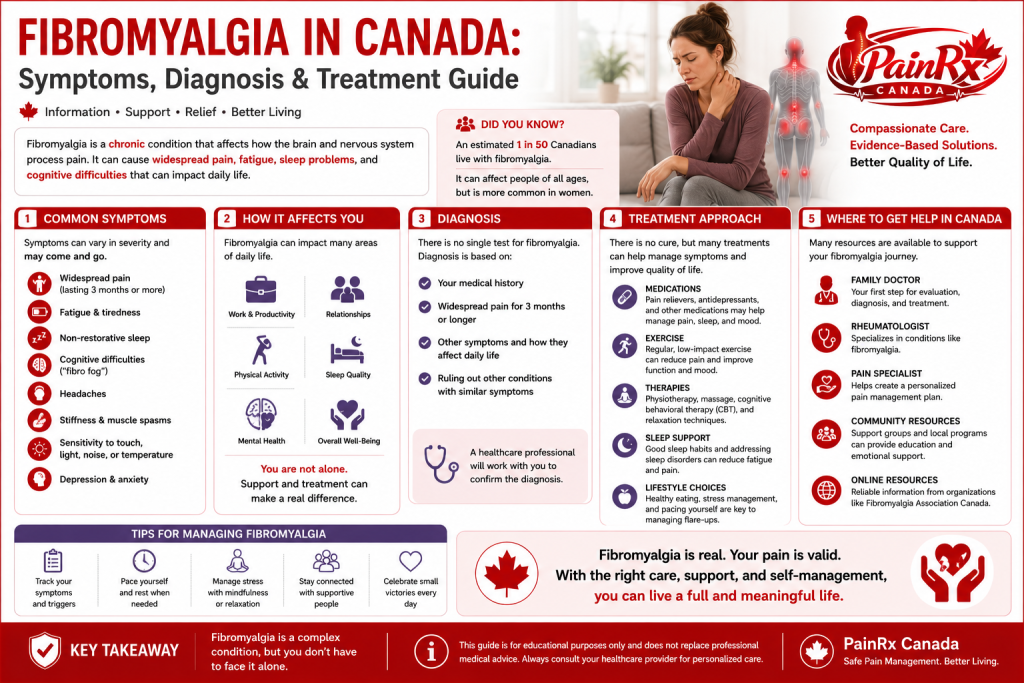
Fibromyalgia affects hundreds of thousands of Canadians, yet it remains one of the most misunderstood chronic pain conditions. Many people spend years searching for answers before receiving a proper diagnosis. This guide covers what fibromyalgia is, how it’s diagnosed and treated within the Canadian healthcare system, and where Canadians can turn for support.
What Is Fibromyalgia?
Fibromyalgia is a chronic condition characterized by widespread pain, fatigue, and a cluster of related symptoms that can significantly affect daily life. Unlike arthritis or a structural injury, fibromyalgia doesn’t involve visible joint damage or inflammation that shows up on standard imaging or blood tests.
Instead, researchers understand fibromyalgia as a disorder involving how the central nervous system processes pain signals. This process, known as central sensitization, means the nervous system becomes more efficient at producing pain, sometimes reacting to normal sensations as if they were painful. This explains why fibromyalgia patients often experience pain that seems disproportionate to any identifiable physical cause, while remaining entirely real and often debilitating.
Common Symptoms
Fibromyalgia produces a range of symptoms beyond pain alone. Recognising the full symptom picture helps both patients and doctors identify the condition more accurately.
Widespread pain represents the hallmark symptom, typically affecting both sides of the body and both above and below the waist. This pain often varies in intensity and location over time, sometimes described as aching, burning, or throbbing.
Persistent fatigue affects most fibromyalgia patients, often described as an overwhelming tiredness that doesn’t improve with rest. This fatigue can be just as disabling as the pain itself for many people.
Non-restorative sleep frequently accompanies fibromyalgia. Patients often wake up feeling exhausted, even after a full night in bed, due to disrupted sleep architecture associated with the condition.
Cognitive difficulties, commonly called “fibro fog,” involve problems with memory, concentration, and mental clarity. Many patients describe struggling to find words or losing their train of thought more easily than before their symptoms began.
Mood-related symptoms, including anxiety and depression, commonly coexist with fibromyalgia. This connection reflects shared nervous system pathways between pain processing and emotional regulation, rather than depression simply causing the physical symptoms.
Additional symptoms can include headaches, irritable bowel syndrome, temperature sensitivity, and heightened sensitivity to light, noise, or certain fabrics against the skin.
How Common Is Fibromyalgia in Canada?
Fibromyalgia affects a meaningful portion of the Canadian population, with most estimates suggesting it impacts roughly two to four percent of Canadians at some point in their lives. It occurs significantly more often in women than men, though men can and do develop the condition. Most diagnoses occur in adulthood, though fibromyalgia can affect people across a wide age range, including, less commonly, adolescents.
How Fibromyalgia Is Diagnosed in Canada
Diagnosing fibromyalgia typically begins with a visit to a family doctor, who will usually conduct an initial assessment and rule out other conditions that might explain the symptoms. This process often includes blood tests to exclude conditions like rheumatoid arthritis, thyroid disorders, or vitamin deficiencies, even though these tests won’t confirm fibromyalgia itself.
Canadian doctors commonly use the American College of Rheumatology diagnostic criteria, which focus on widespread pain lasting at least three months alongside associated symptoms like fatigue, cognitive difficulties, and sleep disturbance. Diagnosis relies heavily on detailed symptom history and physical examination, rather than a single definitive test.
Family doctors may refer patients to a rheumatologist for further assessment, particularly when the diagnosis remains unclear or when other conditions need to be excluded through specialist evaluation. Wait times for rheumatology referrals vary considerably across Canadian provinces, which can extend the overall diagnostic timeline for many patients.
Treatment Approaches Available in Canada
Fibromyalgia treatment in Canada generally involves a combination of approaches, since no single treatment resolves the condition for most patients.
Medication options commonly prescribed in Canada include pregabalin, duloxetine, and certain tricyclic antidepressants like amitriptyline, all of which target nervous system pain processing rather than inflammation or structural damage. These medications require an adjustment period and don’t work identically for every patient, often requiring some trial and adjustment to find an effective option.
Physiotherapy and graded exercise play a central role in fibromyalgia management. Structured, gradually increasing physical activity has strong evidence supporting its benefit, even though starting an exercise program can feel counterintuitive when dealing with significant pain and fatigue.
Cognitive behavioural therapy helps many patients manage the psychological aspects of living with chronic pain, including pain-related anxiety and unhelpful thought patterns that can worsen symptom perception.
Sleep-focused interventions address the non-restorative sleep common in fibromyalgia, recognising the close relationship between sleep quality and pain intensity.
Multidisciplinary pain clinics, available in most major Canadian cities, bring together specialists across these different treatment areas. Access and wait times vary significantly by province and region, with some patients facing considerable delays before accessing specialized multidisciplinary care.
Provincial Healthcare Coverage Considerations
Healthcare coverage for fibromyalgia treatment varies across Canadian provinces, which can meaningfully affect a patient’s treatment journey. Basic physician visits and diagnostic testing fall under provincial health insurance in all provinces, meaning these core diagnostic steps generally don’t involve out-of-pocket costs.
However, coverage for physiotherapy, psychological services, and some medications differs considerably between provinces and depends heavily on whether a patient has supplementary private insurance through an employer or personal plan. Patients without supplementary coverage may face significant out-of-pocket costs for physiotherapy or psychological support, which are often central to effective fibromyalgia management.
Prescription medication coverage also varies by province, particularly for patients without private drug plans. Some provinces offer income-based drug coverage programs that may help offset costs for eligible patients, though eligibility criteria and covered medications differ from province to province.
Living with Fibromyalgia: Practical Considerations
Beyond formal treatment, many Canadians with fibromyalgia find that certain lifestyle adjustments meaningfully support symptom management. Pacing activities to avoid overexertion, sometimes called “spoon theory” within the chronic illness community, helps many patients avoid the boom-and-bust cycle where overactivity leads to severe flare-ups.
Building a support network matters too, whether through family, friends, or fibromyalgia-specific support communities. Many Canadians find value in connecting with others who understand the condition firsthand, whether through in-person support groups or online communities.
Workplace accommodations can also play an important role for patients continuing to work. This might include flexible scheduling, ergonomic adjustments, or modified duties, depending on the workplace and specific job requirements.
Disability Support and Financial Considerations
For Canadians whose fibromyalgia significantly limits their ability to work, various support programs may apply. The Canada Pension Plan Disability benefit remains available for eligible individuals whose condition prevents substantial gainful employment, though the application and assessment process can be lengthy and often requires substantial medical documentation.
Some patients also pursue disability claims through workplace insurance or long-term disability policies, where relevant. Because fibromyalgia doesn’t always present with the clear objective evidence that some other conditions provide, building a well-documented case, including functional capacity assessments, often strengthens these applications considerably.
When to See a Doctor
If you’re experiencing persistent widespread pain lasting more than three months, alongside fatigue, sleep problems, or cognitive difficulties, it’s worth discussing these symptoms with your family doctor. Early assessment can help rule out other conditions and start the diagnostic process, even if a formal fibromyalgia diagnosis takes some time to confirm.
Keeping a symptom diary before your appointment, noting pain patterns, triggers, sleep quality, and how symptoms affect your daily activities, can provide valuable information that supports a more efficient diagnostic conversation.
Final Thoughts
Fibromyalgia presents genuine challenges for Canadians navigating diagnosis, treatment, and daily life with the condition. While it doesn’t yet have a cure, a combination of medication, physiotherapy, psychological support, and lifestyle strategies can meaningfully improve symptoms and quality of life for many patients. Understanding how the condition is diagnosed and treated within the Canadian healthcare system, along with the provincial variations in coverage and access, can help patients navigate their care more effectively and advocate for the support they need.