

Does Grapefruit Really Interfere With Pain Medication?

Does Grapefruit really interfere with pain medication?
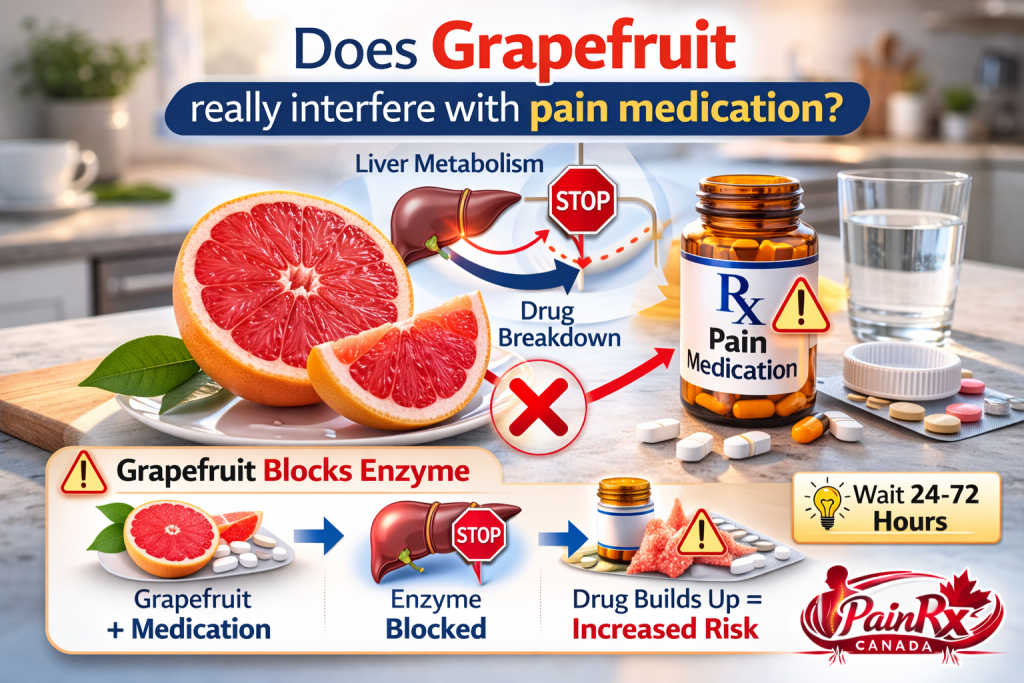
You have probably seen the warning on prescription labels. “Avoid grapefruit juice.” It sounds almost mythical. How could a innocent breakfast fruit cause problems with powerful medications? The warning seems too strange to be true. Yet it is absolutely real. The question does grapefruit really interfere with pain medication has a definitive answer: yes, it does. The interaction is significant, well-documented, and potentially dangerous. This article explains the science behind this bizarre interaction, which pain medications are affected, and how you can enjoy grapefruit safely.
The Accidental Discovery
The grapefruit effect was discovered by accident. In 1989, researchers in Canada were studying a blood pressure medication. They wanted to see if alcohol affected the drug. They used grapefruit juice to hide the taste of alcohol in their study. To their surprise, the grapefruit juice alone dramatically increased drug levels in the blood.
This accidental finding opened a new field of research. Scientists soon realized that grapefruit contains unique compounds that interfere with drug metabolism. Since then, over 85 medications have been found to interact with grapefruit. Many of these are common pain medications. The question does grapefruit really interfere with pain medication led to a fundamental discovery about how food and drugs interact.
The Science: What Grapefruit Does to Your Body
To understand the interaction, you need to know about enzymes. Your body uses enzymes to break down medications. Think of enzymes as tiny machines that process drugs so they can be eliminated. One crucial enzyme is called CYP3A4. It lives in your small intestine and liver.
Grapefruit contains compounds called furanocoumarins. These compounds permanently disable CYP3A4 enzymes. When the enzymes are disabled, your body cannot break down certain medications effectively. More of the drug enters your bloodstream. The drug levels can become much higher than intended.
A single glass of grapefruit juice can reduce enzyme activity by nearly 50 percent. The effect lasts for up to 24 hours. If you drink grapefruit juice regularly, the enzymes stay suppressed. This means a normal dose of medication can become a dangerously high dose. This is why the question does grapefruit really interfere with pain medication is so important.
Fentanyl: A Deadly Combination
Fentanyl is one of the most powerful opioids. It is used for severe pain, often in cancer patients or after major surgery. It is also involved in many overdose deaths. Combining fentanyl with grapefruit is extremely dangerous.
Grapefruit juice can dramatically increase fentanyl levels in the blood. One study found that grapefruit juice increased fentanyl absorption and led to higher peak concentrations. This can cause respiratory depression, where breathing becomes too slow or stops entirely. This effect can be fatal.
If you use fentanyl patches or lozenges, you must avoid grapefruit completely. The question does grapefruit really interfere with pain medication for fentanyl is answered with a clear and urgent warning: yes, and it can kill you.
Oxycodone and Other Opioids
Oxycodone is a common opioid painkiller. It is found in products like OxyContin and Percocet. Oxycodone is metabolized by the CYP3A4 enzyme. This makes it a prime candidate for grapefruit interaction.
Studies show that grapefruit juice increases oxycodone levels in the blood. One study found that grapefruit juice increased the concentration of oxycodone by an average of 50 percent. Some individuals had much higher increases. This can lead to increased side effects: extreme drowsiness, dizziness, confusion, and dangerous slowing of breathing.
Other opioids that may interact include hydrocodone and certain formulations of morphine. Always check with your pharmacist. The question does grapefruit really interfere with pain medication for opioids is generally yes.
Codeine: A Complex Case
Codeine is different from other opioids. It is a prodrug. This means it must be converted by the liver into its active form, morphine, to work. The enzyme that converts codeine is CYP2D6, not CYP3A4.
Grapefruit affects CYP3A4, not CYP2D6. Therefore, grapefruit may not directly affect codeine activation. However, codeine is often combined with other medications like acetaminophen. Also, codeine metabolism is complex. Some codeine is processed by CYP3A4 as well. The safest approach is caution.
If you take codeine, ask your pharmacist about grapefruit. The question does grapefruit really interfere with pain medication for codeine has a less clear answer, but caution is always wise.
Tramadol: A Dual Pathway Drug
Tramadol is an atypical opioid. It works through two mechanisms: weak opioid activity and effects on serotonin and norepinephrine. Its metabolism is complex, involving multiple enzymes including CYP3A4.
Grapefruit could potentially affect tramadol levels. One study suggested that grapefruit juice might increase tramadol concentrations. This could increase side effects like drowsiness, dizziness, and seizure risk. Tramadol already carries a seizure warning. Higher levels could increase that risk.
If you take tramadol, avoid grapefruit unless your pharmacist says it is safe. The question does grapefruit really interfere with pain medication for tramadol is likely yes.
Non-Opioid Pain Medications
Opioids are not the only concern. Some non-opioid pain medications also interact with grapefruit.
Methadone is used for pain and addiction treatment. It is metabolized by CYP3A4. Grapefruit can increase methadone levels, potentially causing dangerous sedation and heart rhythm problems.
Carbamazepine is sometimes used for nerve pain. It is metabolized by CYP3A4. Grapefruit can increase levels, leading to toxicity.
Certain NSAIDs may have minor interactions, but they are less studied. Ibuprofen and naproxen are generally considered safe with grapefruit. However, always check with your pharmacist.
The question does grapefruit really interfere with pain medication extends beyond opioids to many drugs used in pain management.
Other Citrus Fruits: The Surprising Truth
Is grapefruit alone, or do other citrus fruits cause problems? The answer is surprising. Certain other citrus fruits contain the same furanocoumarins.
Seville oranges are a major culprit. These are the bitter oranges used in marmalade. Eating marmalade or drinking Seville orange juice can cause the same interaction. Pomelos are closely related to grapefruit and also contain furanocoumarins. Tangelos and limes may have smaller amounts. Sweet oranges like navel oranges are generally safe. Lemons are safe.
If you are avoiding grapefruit, you may also need to avoid Seville oranges and pomelos. This matters for the question does grapefruit really interfere with pain medication because the answer extends to these related fruits.
How Much Grapefruit Is Dangerous?
You might wonder if a small amount is safe. The answer is that any amount can have an effect. Studies show that a single glass of grapefruit juice can significantly reduce enzyme activity for 24 hours. Even half a grapefruit can cause an interaction.
The effect is also cumulative. If you drink grapefruit juice daily, the enzymes stay suppressed. This means every dose of medication is affected. The safest approach is complete avoidance. Do not eat grapefruit or drink grapefruit juice while taking affected medications.
If you accidentally consume grapefruit, monitor yourself for side effects. Contact your pharmacist for advice. The question does grapefruit really interfere with pain medication means you must take it seriously, even with small amounts.
Timing: Can You Separate Them?
A common question is whether you can take medication in the morning and eat grapefruit at night. The answer is no. The enzyme inhibition lasts for up to 24 hours. Eating grapefruit at night will still affect your morning medication.
Some people think that waiting a few hours solves the problem. It does not. The furanocoumarins permanently disable the enzymes. Your body must create new enzymes, which takes time. This is why the interaction lasts so long.
If you want to enjoy grapefruit, you may need to switch medications. Talk to your doctor about alternatives that do not interact. The question does grapefruit really interfere with pain medication means you cannot simply separate them by time.
Why This Warning Is Often Missed
Despite the seriousness of this interaction, many patients never hear about it. Doctors may forget to mention it. Pharmacy labels may have small print. Patients may not connect their breakfast fruit to their medication side effects.
A study found that 42 percent of patients taking medications that interact with grapefruit were unaware of the risk. This is alarming. If you take pain medication and enjoy grapefruit, you need to know. Do not assume your doctor told you. Ask your pharmacist directly. The question does grapefruit really interfere with pain medication is one you must ask for yourself.
What to Do If You Love Grapefruit
If you love grapefruit, you do not have to give it up forever. You just need to manage the interaction safely.
First, review all your medications with your pharmacist. Ask specifically about grapefruit interactions for each one. Second, ask if there are alternative medications that do not interact. Your doctor may be able to switch you to a different drug. Third, if you must take an interacting medication, you must avoid grapefruit completely while on that drug. Fourth, if you accidentally consume grapefruit, know the signs of overdose: extreme drowsiness, confusion, slow breathing. Seek help if needed.
The question does grapefruit really interfere with pain medication should lead to action, not fear. Knowledge empowers you to make safe choices.
Other Food Interactions to Know
Grapefruit is the most famous, but other foods also interact with medications.
Cranberry juice can interact with warfarin, a blood thinner. Leafy greens high in vitamin K also affect warfarin. Licorice can interact with blood pressure medications. Dairy products can bind with certain antibiotics, reducing absorption. Alcohol interacts with many pain medications, increasing sedation and liver risks.
Always ask your pharmacist about food interactions with any new medication. The grapefruit lesson teaches us that food and drugs are not always separate. They interact in complex ways.
PainRx Canada: Your Safety Partner
At PainRx Canada, we believe that small details make a big difference. A piece of fruit should not endanger your health. That is why we educate every patient about potential interactions.
Our pharmacists review your medication profile for grapefruit interactions. We provide clear warnings on your labels. We answer your questions about food and drug safety. If you love grapefruit, we can help you find alternatives that keep you safe while enjoying your favorite foods.
Never hesitate to ask us the question does grapefruit really interfere with pain medication. We are here to give you honest, evidence-based answers.
Conclusion: The Grapefruit Effect Is Real
The story of grapefruit and medication sounds like an urban legend. It seems too strange to believe. Yet the science is clear and the risks are real. Grapefruit contains compounds that disable crucial enzymes. This can turn a normal dose of pain medication into a dangerous overdose.
For fentanyl, oxycodone, and many other pain drugs, grapefruit is not safe. The effect lasts for 24 hours. It cannot be avoided by timing. Other citrus fruits like Seville oranges and pomelos cause the same problem.
Now you know the answer. Does grapefruit really interfere with pain medication? Yes, it absolutely does. Share this knowledge with family and friends. A simple breakfast choice should never compromise your safety.
Frequently Asked Questions
1. Can I eat grapefruit if I take Tylenol?
Acetaminophen (Tylenol) is not primarily metabolized by the CYP3A4 enzyme. It is generally considered safe with grapefruit. However, always check with your pharmacist, especially if you take other medications.
2. How long after eating grapefruit can I take my medication?
You should not take medication within 24 hours of consuming grapefruit. The enzyme inhibition lasts a full day. It is safer to avoid grapefruit entirely while on interacting medications.
3. Is grapefruit juice as bad as the whole fruit?
Yes. Grapefruit juice contains concentrated furanocoumarins. It can be even more potent than the whole fruit. Avoid both the fruit and the juice.
4. What should I do if I accidentally ate grapefruit with my pain medication?
Monitor yourself for signs of overdose: extreme drowsiness, confusion, dizziness, slow breathing. If you experience any of these, seek emergency medical help immediately. Otherwise, contact your pharmacist for advice.
5. Are there any pain medications safe to take with grapefruit?
Some pain medications like ibuprofen, naproxen, and acetaminophen are generally safe. However, every person’s medication profile is different. Always verify with your pharmacist, as other medications you take may interact even if the painkiller itself does not.