
Best Foods To Eat (and avoid) When Taking Pain Medication.

Best foods to eat (and avoid) when taking pain medication(2026 Guide)
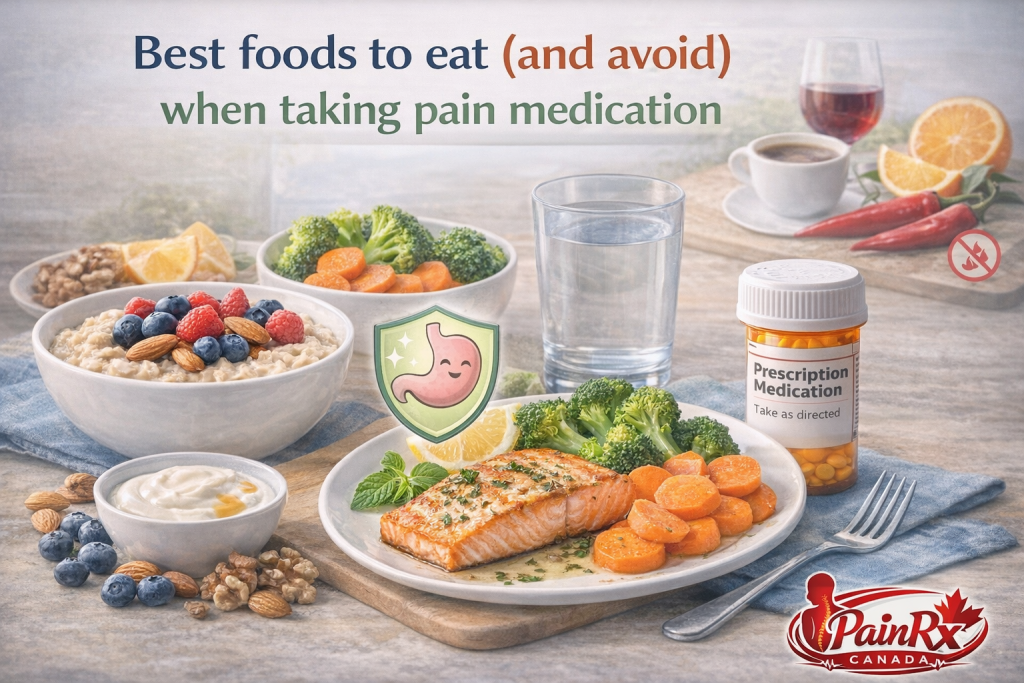
You have your prescription. You know the dose and know the schedule. But have you thought about what is in your refrigerator? The food you eat while taking pain medication matters more than you might realize. Certain foods can protect your stomach, enhance your medication’s effectiveness, and reduce unpleasant side effects. Other foods can interfere, irritate, or even cause harm. Understanding the best foods to eat when taking pain medication is a crucial part of your treatment plan. It shows that you care about your whole body, not just the part that hurts.
Why Food Matters with Pain Medication
Pain medications do not work in isolation. They enter your digestive system first. They are absorbed through your stomach and intestines and they are processed by your liver. Throughout this journey, they interact with everything else in your system, including food.
For some medications, food acts as a shield. It coats your stomach lining and prevents irritation. For others, food acts as a transporter. It helps move the medication into your bloodstream. For still others, food can be an enemy. It can block absorption or create dangerous interactions. Knowing the best foods to eat when taking pain medication helps you become an active partner in your own care. You can reduce side effects and improve results simply by choosing what is on your plate.
The Stomach: Ground Zero for Side Effects
Your stomach takes the first hit when you swallow a painkiller. This is especially true for NSAIDs like ibuprofen, naproxen, and aspirin. These medications work by blocking enzymes called COX-1 and COX-2. COX-1, however, also protects your stomach lining. When you block it, your stomach becomes more vulnerable to acid damage.
This is why NSAIDs can cause heartburn, indigestion, and even bleeding ulcers. Food can buffer this effect. Eating before taking these medications creates a physical barrier. It dilutes the medication. It reduces direct contact with your stomach lining. For anyone taking NSAIDs regularly, understanding the best foods to eat when taking pain medication is not optional. It is essential for protecting your digestive health.
Best Foods for NSAID Protection
If you take ibuprofen, naproxen, or aspirin, focus on bland, gentle foods that coat the stomach. Here are your best choices.
Oatmeal: This warm, soft grain absorbs stomach acid and provides a protective coating. It is easy to digest and soothing.
Bananas: Low in acid and high in potassium, bananas are gentle on the stomach. They also help replace electrolytes if you have had any vomiting or diarrhea.
Yogurt: The probiotics in yogurt support healthy gut bacteria. The cool, creamy texture soothes irritation. Choose plain yogurt to avoid added sugars.
Whole grain toast: Simple carbohydrates like toast absorb stomach acid without irritating. It provides energy without stress.
Rice and potatoes: Bland starches are your friends. They fill the stomach and dilute medication. Avoid adding butter or heavy sauces.
Eat a small meal containing these foods about 30 minutes before taking your NSAID. This simple habit dramatically reduces stomach irritation.
Foods to Avoid with NSAIDs
Just as some foods protect, others aggravate. When taking NSAIDs, avoid these irritants.
Spicy foods: Peppers, hot sauce, and spicy curries increase stomach acid. Combined with NSAIDs, they can cause significant pain and damage.
Citrus fruits: Oranges, grapefruits, lemons, and limes are highly acidic. They add to the acid load your stomach must handle.
Tomatoes: Also highly acidic, tomatoes and tomato-based sauces can trigger heartburn and irritation.
Caffeine: Coffee, tea, and energy drinks increase acid production. They also can worsen anxiety, which sometimes accompanies pain.
Alcohol: This is non-negotiable. Alcohol with NSAIDs significantly increases bleeding risk. Avoid completely while taking these medications.
Best Foods for Opioid Side Effects
Opioids like codeine, tramadol, and morphine come with their own set of challenges. The most common is constipation. Opioids slow down your entire digestive tract. This can lead to discomfort, bloating, and days without bowel movements. Diet plays a huge role in managing this.
High-fiber foods: Fiber adds bulk and helps move things along. Choose whole grains, bran cereals, oats, and brown rice.
Fruits and vegetables: Pears, apples, berries, broccoli, and leafy greens provide both fiber and water. They are essential for regularity.
Prunes and prune juice: The classic remedy works. Prunes contain sorbitol, a natural laxative. Drink a small glass daily if constipation is severe.
Flaxseed and chia seeds: Sprinkle these on yogurt or oatmeal. They provide soluble fiber that draws water into the bowel.
Plenty of water: Opioids require extra hydration. Fiber only works if you drink enough water. Aim for eight to ten glasses daily.
Foods to Avoid with Opioids
While increasing fiber and water, you should also reduce foods that worsen constipation.
Processed foods: Chips, cookies, and fast food lack fiber and slow digestion further.
Cheese and dairy: For some people, dairy products can be binding. Monitor your response and limit if needed.
Red meat: Difficult to digest and low in fiber, red meat can worsen constipation.
White bread and pasta: Refined carbohydrates lack the fiber of whole grains. Choose whole grain versions instead.
Caffeine in excess: While a small amount of coffee might stimulate a bowel movement, too much dehydrates you. Balance carefully.
The Grapefruit Warning
One food deserves its own section. Grapefruit and grapefruit juice interact dangerously with many medications, including some painkillers.
Grapefruit inhibits an enzyme in your intestines that normally breaks down certain drugs. When this enzyme is blocked, more of the drug enters your bloodstream. Your medication levels can become dangerously high. This increases side effects and overdose risk.
This interaction affects some opioids and other pain medications. Always read your medication insert. Ask your pharmacist specifically about grapefruit. If there is any warning, avoid grapefruit completely while taking that medication. The risk is not worth it.
Foods That Help with Nausea
Nausea is a common side effect of many pain medications. Whether from opioids, NSAIDs, or the pain itself, an upset stomach makes everything worse. Certain foods can help settle it.
Ginger: The gold standard for nausea. Ginger tea, ginger ale (with real ginger), or crystallized ginger can calm your stomach. Keep some on hand.
Peppermint: Peppermint tea or even smelling peppermint oil can reduce nausea. It relaxes the digestive tract.
Crackers and dry toast: Simple carbohydrates absorb stomach acid and give your stomach something neutral to work with.
Rice and bananas: The BRAT diet (bananas, rice, applesauce, toast) is designed for upset stomachs. It works.
Small, frequent meals: An empty stomach can make nausea worse. Eat small amounts throughout the day rather than three large meals.
Foods That Enhance Medication Absorption
Some pain medications work better with certain foods. The food helps your body absorb the drug more effectively.
For example, taking certain medications with a small amount of healthy fat can improve absorption. This is true for some anti-inflammatory drugs and certain pain formulations. A small handful of almonds, a tablespoon of peanut butter, or half an avocado can help.
Always check with your pharmacist about your specific medication. Some drugs require an empty stomach for best absorption. Others need food. There is no one-size-fits-all rule. Knowing the best foods to eat when taking pain medication means knowing your specific medication’s needs.
The Anti-Inflammatory Diet for Chronic Pain
Beyond immediate food-medication interactions, consider your overall diet. Chronic pain often involves inflammation. An anti-inflammatory diet can reduce your baseline pain levels. This may allow you to use lower doses of medication.
Focus on whole, unprocessed foods. Eat plenty of colorful fruits and vegetables. Choose healthy fats like olive oil, avocados, and nuts. Include fatty fish like salmon and mackerel for omega-3s. Limit sugar, refined carbohydrates, and processed oils.
This diet does not replace medication. However, it supports your body’s natural healing processes. It reduces the inflammatory load. Over time, it can make a real difference in how you feel.
Foods That Support Liver Health
Your liver processes many pain medications. Supporting liver health is essential for safe long-term use.
Cruciferous vegetables like broccoli, cauliflower, and Brussels sprouts support liver detoxification pathways. Leafy greens provide essential nutrients. Beets and carrots contain antioxidants. Green tea offers protective compounds. Water is essential for kidney function, which works alongside your liver.
Limit alcohol completely while taking pain medication. Alcohol stresses the liver and can combine dangerously with many drugs. If you need liver support, focus on whole foods and hydration.
Timing Matters: When to Eat
What you eat matters, but so does when you eat it. Timing your meals around your medication improves both comfort and effectiveness.
For medications that require food, eat a small meal 30 minutes before your dose. This gives food time to line your stomach. For medications that require an empty stomach, take them one hour before meals or two hours after. This ensures maximum absorption.
For opioids that cause constipation, spread your fiber and water throughout the day. Do not consume all your fiber at once. This can cause bloating. Consistent intake works better.
Hydration: The Unsung Hero
Water deserves special mention. It is not technically food, but it is essential. Many pain medications, especially opioids, cause dehydration. Dehydration worsens constipation, headaches, and fatigue.
Drink water consistently throughout the day. Carry a water bottle with you. Set reminders if you forget. Herbal teas count toward your intake. Soups and broths also help. Aim for pale yellow urine as a sign of good hydration.
Special Considerations for Different Medications
Different pain medications have different dietary needs. Here is a quick reference.
Ibuprofen (Advil, Motrin): Take with food. Avoid alcohol and spicy foods.
Naproxen (Aleve): Take with food. Avoid alcohol and citrus.
Acetaminophen (Tylenol): Avoid alcohol completely. Food not required but can help with nausea.
Codeine: Increase fiber and water. Avoid grapefruit if instructed.
Tramadol: Increase fiber and water. Avoid alcohol and grapefruit. Be cautious with caffeine.
Gabapentin/Pregabalin: No specific food interactions, but take with food if nausea occurs.
Always read your medication guide. Ask your PainRx Canada pharmacist about your specific prescription.
Listening to Your Body
Your body gives you feedback. Pay attention to it. If a certain food consistently causes discomfort with your medication, avoid it. If you notice certain foods help you feel better, include them more often.
Keep a simple journal for a week. Note what you eat and when you take your medication. Note any side effects. Look for patterns. This information helps you and your healthcare team optimize your treatment.
PainRx Canada: Caring for Your Whole Body
At PainRx Canada, we see you as a whole person, not just a prescription number. We want you to thrive. That means helping you understand how every aspect of your life, including your diet, affects your pain management.
Our pharmacists can answer your questions about food and medication interactions. We can help you plan your dosing schedule around meals. We can recommend specific foods to manage side effects. Your health is our mission. Let us help you eat well and feel better.
Conclusion: Food Is Medicine
The choices you make in your kitchen affect the outcomes you get from your medicine cabinet. Food can protect your stomach, enhance absorption, reduce side effects, and support long-term health. Ignoring this connection means missing a powerful tool in your pain management toolkit.
Now you know the best foods to eat when taking pain medication. You know what to avoid. You understand why timing matters and you have the knowledge to make informed choices. Use it well. Your stomach, your liver, and your whole body will thank you.
Frequently Asked Questions
1. Can I take pain medication on an empty stomach?
It depends on the medication. NSAIDs like ibuprofen should always be taken with food to protect your stomach. Acetaminophen can be taken without food. Always check your medication label or ask your pharmacist.
2. How long should I wait to eat after taking pain medication?
For medications that require an empty stomach, wait one hour before eating or two hours after eating. For medications that require food, eat a small meal about 30 minutes before your dose.
3. Is it safe to drink coffee while on pain medication?
Small amounts of coffee are usually safe. However, coffee increases stomach acid, which can worsen NSAID side effects. It can also dehydrate you, which worsens opioid constipation. Moderation is key.
4. What should I eat if my medication makes me nauseous?
Try bland foods like crackers, toast, rice, and bananas. Ginger tea or peppermint tea can help settle your stomach. Eat small, frequent meals rather than large ones.
5. Can certain foods make my pain medication work better?
For some medications, yes. A small amount of healthy fat can improve absorption of certain drugs. However, other medications require an empty stomach for best results. Ask your pharmacist about your specific prescription.