

The Connection Between Weather and Joint Pain: Myth or Fact?

The connection between weather and joint pain: Myth or fact? (2026 Guide)
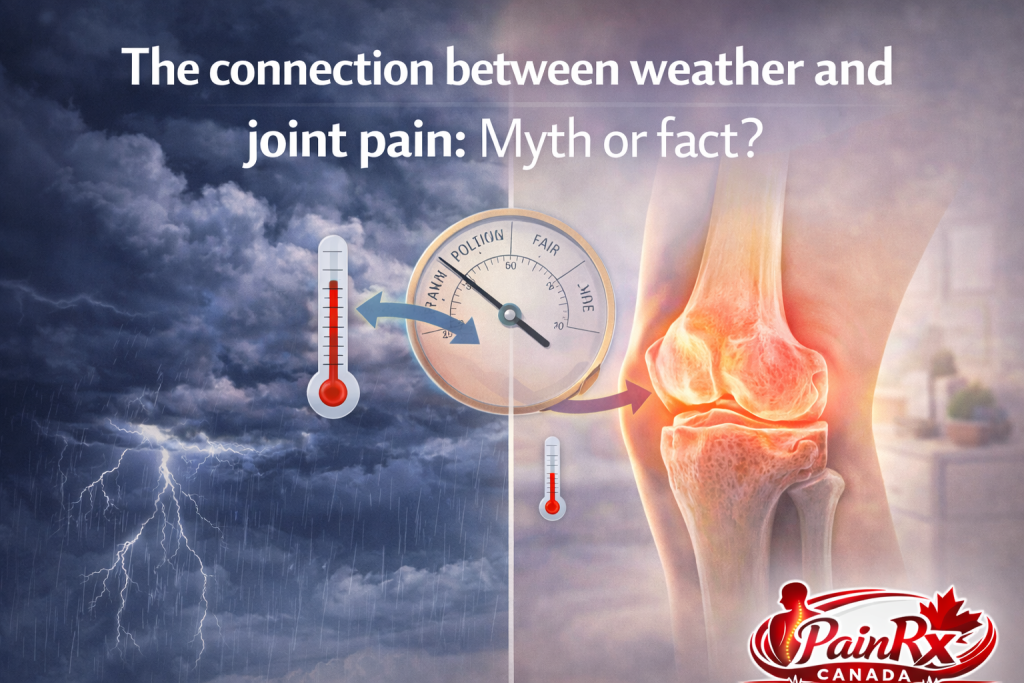
“My knees always know when a storm is coming.” If you have arthritis or chronic joint pain, you have likely said this or heard someone else say it. It is one of the most enduring beliefs in all of medicine. Grandmothers swear by it. Farmers rely on it. Even some doctors admit their patients seem to predict weather changes with uncanny accuracy. But is there real science behind this phenomenon? Or is it just a coincidence our brains turn into a pattern? The question of the connection between weather and joint pain has fascinated researchers for decades. This article separates myth from fact and gives you the truth.
The Ancient Belief
The idea that weather affects health is ancient. Hippocrates, the father of Western medicine, wrote about it around 400 BCE. He described how different winds and seasons affected the body. Traditional Chinese medicine has always linked environmental factors to health. Indigenous cultures around the world observed these connections.
In modern times, the belief persists. Surveys suggest that between 60 and 80 percent of people with arthritis believe weather affects their pain. They report increased symptoms before rain, during cold snaps, or when humidity rises. This widespread belief demands investigation. Scientists have taken up the challenge. They want to know if the connection between weather and joint pain is real or simply a powerful placebo effect.
The Main Suspect: Barometric Pressure
When researchers study weather and pain, one factor emerges as the primary suspect. It is not rain itself. It is not cold and It is barometric pressure, also called atmospheric pressure.
Barometric pressure is the weight of the air pressing down on the earth. It changes constantly. High pressure brings fair weather. Low pressure brings storms, clouds, and precipitation. When a storm approaches, barometric pressure drops. This drop is the key event. The theory is that this change in pressure affects our bodies. It may cause tissues to expand slightly. In a healthy joint, this expansion goes unnoticed. In an arthritic joint, where space is already tight and nerves are sensitive, this tiny expansion can cause pain. This is the leading scientific explanation for the connection between weather and joint pain.
How Pressure Affects Your Joints
To understand this, imagine a balloon inside a box. When the outside air pressure drops, the balloon expands slightly. Your joints work in a similar way. They are enclosed spaces filled with fluid and tissue. When atmospheric pressure drops, the pressure inside your joint becomes relatively higher. This can cause tissues to expand.
Arthritic joints are already inflamed. They have less space to accommodate any expansion. Nerves are more sensitive. Cartilage may be worn away. Even a microscopic change can stimulate pain receptors. Additionally, changes in pressure may affect the viscosity of synovial fluid, the lubricant inside your joints. Thicker fluid may not move as smoothly. This could contribute to stiffness. The physics is sound. The question is whether the effect is strong enough to feel. Research suggests that for many people, it is. This is the core of the connection between weather and joint pain.
What the Research Says
Dozens of studies have examined this question. The results are mixed but generally supportive. Some studies find a clear link. Others find none. The largest and most rigorous studies tend to find a small but real effect.
A 2019 study published in the journal Pain used smartphone data to track pain reports against weather conditions. Over 2,600 participants provided daily data. The study found a small but significant association between higher humidity and lower pressure and increased pain. A 2014 study in The Journal of Rheumatology looked at over 800 people with osteoarthritis. It found that pain increased with rising barometric pressure. Interestingly, different studies sometimes find different directions of effect. Some find low pressure hurts more. Others find high pressure hurts more. The inconsistency may reflect individual differences. Not everyone responds the same way. However, the weight of evidence suggests the connection between weather and joint pain is likely real for many people.
Temperature, Humidity, and Rain
Barometric pressure gets the most attention, but other weather factors may also play a role.
Cold temperatures can increase pain. Cold can make muscles tense up. It can thicken joint fluids. People may also move less in cold weather, leading to stiffness. Humidity is another factor. Some studies link high humidity to increased pain. Moist air may affect tissues or pressure in ways we do not fully understand. Rain itself probably does not cause pain. Rain is simply the visible result of low pressure. However, rain often brings other changes: people stay indoors, move less, and may feel gloomier. These secondary effects can influence pain perception. Untangling these factors is complex. The connection between weather and joint pain likely involves multiple elements working together.
Why Some People Are “Human Barometers”
If weather affects everyone, why do some people feel it strongly while others feel nothing? Individual differences matter.
People with more advanced arthritis may have less “buffer” in their joints. A healthy joint can accommodate tiny pressure changes easily. An arthritic joint cannot. People with nerve damage or central sensitization may have lower pain thresholds. Their nervous systems amplify signals that others ignore. Psychological factors also play a role. If you expect rain to hurt, you may pay more attention to your joints when clouds appear. This does not make the pain imaginary. It means your brain is primed to notice signals it might otherwise ignore. The connection between weather and joint pain is a complex interaction of physics, physiology, and psychology.
The Placebo Effect and Confirmation Bias
Skeptics point to two psychological phenomena. Confirmation bias means we remember hits and forget misses. You remember the times your knee hurt before rain. You forget the times it rained and your knee felt fine. The times it hurt on a sunny day get attributed to something else.
The placebo effect also works in reverse, sometimes called the nocebo effect. If you believe strongly that weather will hurt, your brain may create that pain. Expectations shape experience. However, these psychological factors do not disprove a real effect. They coexist with it. The most balanced view is that the connection between weather and joint pain has both physical and psychological components.
What This Means for You
If weather affects your pain, what can you do about it? You cannot change the weather. However, you can change how you respond.
First, track your pain and weather patterns. Use a journal or an app. Note your pain levels and the weather each day. Over time, you may see your personal patterns. This knowledge helps you prepare. If you know cold fronts trigger pain, you can plan ahead. Second, focus on what you can control. Keep moving. Gentle exercise maintains joint lubrication. Stay warm. Layer clothing and use heating pads. Manage stress, which amplifies pain. Third, talk to your doctor. If weather triggers predictable flares, you may adjust medication timing. Some people use slightly more support on bad weather days. Understanding your patterns is the practical side of the connection between weather and joint pain.
Managing Weather-Related Flare-Ups
Here are specific strategies for days when the weather is against you.
Keep moving gently. Do not stop because it hurts. Stiffness increases when you stop. Gentle walking, stretching, or yoga maintains mobility.
Use heat. Warm baths, heating pads, or warm compresses relax muscles and increase blood flow. Heat is especially helpful for arthritic stiffness.
Dress warmly. Layers trap heat. Pay special attention to the painful joint. Knee sleeves or warm gloves can make a difference.
Consider medication. Over-the-counter anti-inflammatories like ibuprofen may help if used appropriately. Always follow dosing guidelines. Discuss with your pharmacist.
Stay active indoors. If bad weather keeps you inside, find indoor activities. Mall walking, swimming, or home exercise videos keep you moving.
Manage your mood. Grey, rainy days affect mood. Low mood increases pain perception. Bright light lamps, social connection, and enjoyable hobbies help.
The Future of Weather and Pain Research
Technology is advancing our understanding. Smartphone apps now allow millions of people to report pain alongside weather data. This big data approach reveals patterns smaller studies miss. Researchers are also looking at “smart” clothing and wearables. These devices could track both weather exposure and physical responses in real time.
Some day, your phone might predict your pain based on upcoming weather. It could suggest preventive measures. It could remind you to take medication or do specific stretches. The connection between weather and joint pain may become something we can predict and manage, not just endure.
Other Weather Factors Canadians Face
Canada’s climate is extreme and varied. Different regions face different challenges.
In coastal British Columbia, humidity and frequent pressure changes may affect joints. In the Prairies, dramatic cold snaps can seize up muscles and joints. Ontario and Quebec, the transition seasons of spring and fall bring volatile weather. In the Atlantic provinces, nor’easters bring dramatic pressure drops. In the North, extreme cold and long winters create unique challenges. Understanding your local weather patterns helps you understand your pain. The connection between weather and joint pain is personal and regional.
When It Is Not the Weather
Not every pain flare is weather-related. If your pain pattern changes suddenly, do not blame the barometer. See your doctor.
Worsening pain could signal disease progression. It could indicate a new injury. It could be a side effect of medication. If you have new symptoms like swelling, redness, or fever, seek medical attention. Weather is one factor among many. It is rarely the whole story. Use weather awareness as one tool, not the only explanation.
PainRx Canada: Helping You Weather the Storm
At PainRx Canada, we understand that joint pain is unpredictable. It changes with the seasons, the weather, and your life. We are here to help you navigate those changes.
Our pharmacists can advise on medications for flare-ups. We can recommend topical treatments for localized pain. We can discuss supplements like glucosamine or omega-3s that may support joint health and can help you track patterns and communicate with your doctor. You do not have to face the storms alone. We are your partners in pain management, rain or shine.
Conclusion: Myth or Fact? The Verdict
So, is the connection between weather and joint pain myth or fact? The answer is nuanced. It is not a myth. The evidence suggests a real, measurable effect for many people. Changes in barometric pressure, temperature, and humidity can influence joint pain. However, it is also not a simple, direct cause. The effect is small for some, large for others. It interacts with psychology, activity, and individual physiology.
The next time your knees ache before a storm, trust your body. You are not imagining it. You are feeling a real phenomenon that scientists are only beginning to understand fully. Use that knowledge to prepare, to manage, and to cope. The weather will always change. With the right strategies, your pain does not have to control your life.
Frequently Asked Questions
1. Why do my joints hurt more in cold weather?
Cold can cause muscles to tense and joint fluids to thicken. People also tend to move less in cold weather, leading to stiffness. Blood vessels constrict, reducing circulation to joints.
2. Can I prevent weather-related joint pain?
You cannot prevent the weather, but you can reduce its impact. Stay active, dress warmly, use heat therapy, and maintain a healthy weight. Tracking your patterns helps you prepare for predictable flares.
3. Does humidity or barometric pressure matter more?
Research suggests both play a role. Barometric pressure changes are the primary trigger. However, high humidity may also contribute. The two often change together, making them hard to separate.
4. Is moving to a warmer climate the answer?
Some people find relief in warmer, stable climates. However, moving is a major life decision. It may help, but it is not a cure. Many people adapt to their local climate with good management strategies.
5. What medications help with weather-related flares?
Over-the-counter anti-inflammatories like ibuprofen or naproxen may help. Topical creams with capsaicin or anti-inflammatories can target specific joints. Always consult a pharmacist before starting any new medication.